Release time : 2026-05-06 Source :Organizing Committee
Looking back at the exhibition, seven key highlights stood out:
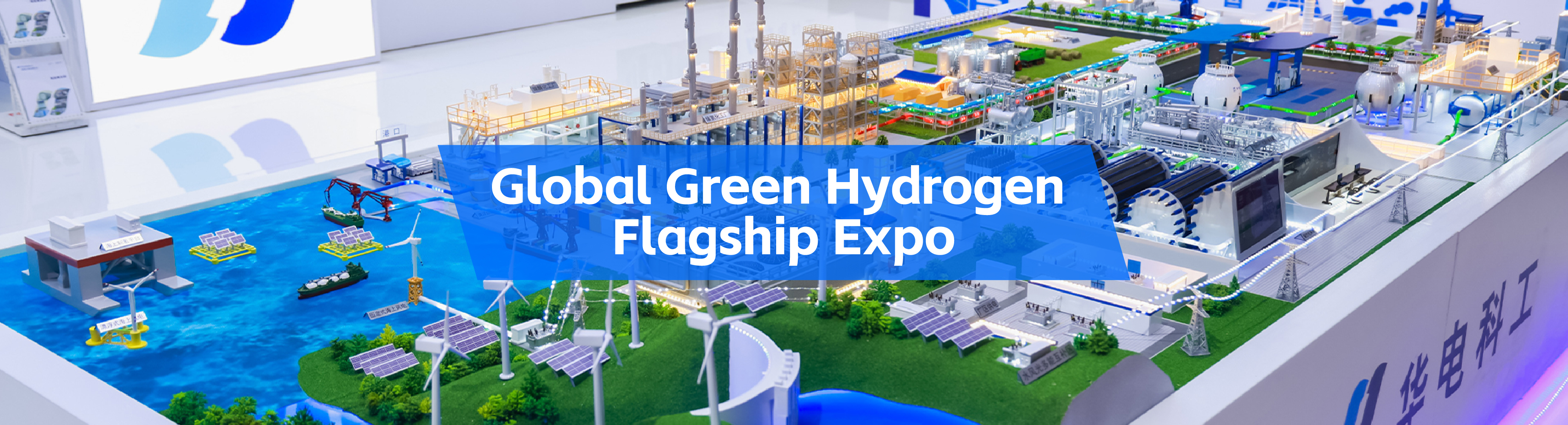
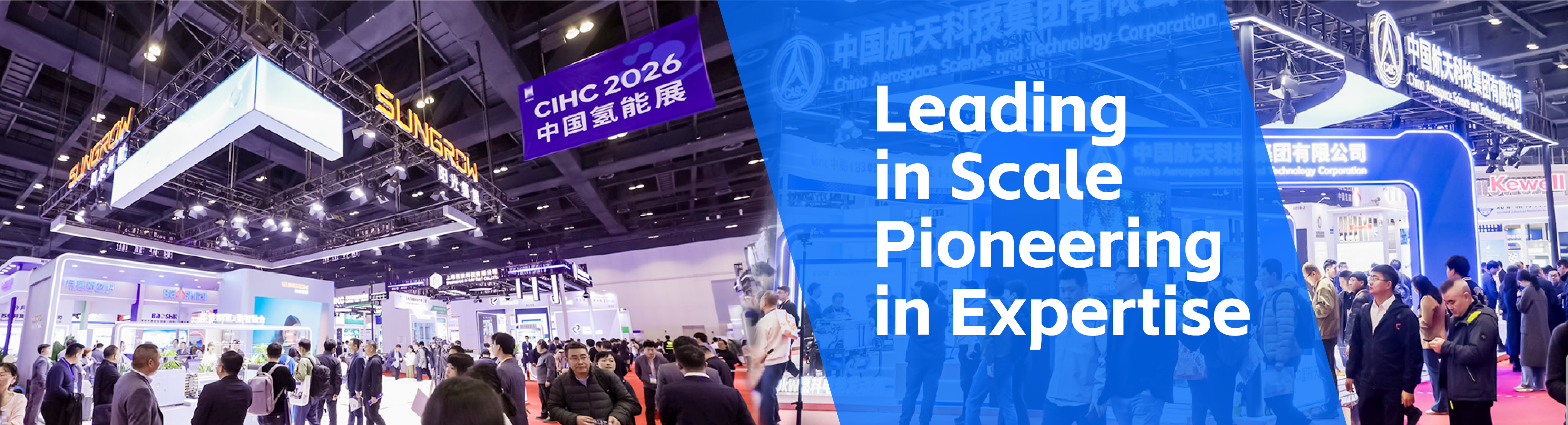
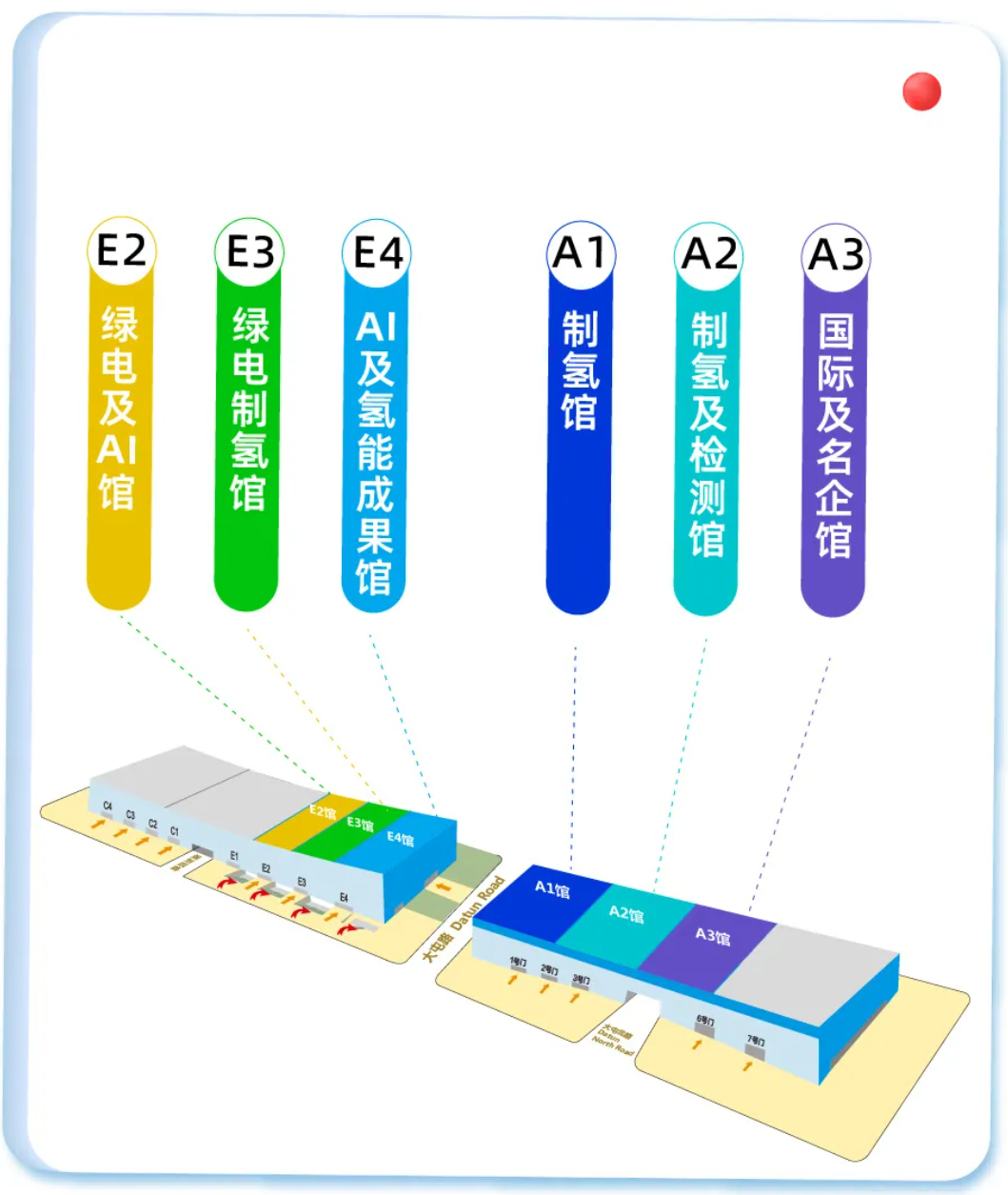
The very first impression upon entering the exhibition halls of CIHC 2026 was its remarkable comprehensiveness. From core hydrogen production equipment to storage, transportation, and refueling systems; from fuel cells for heavy-duty trucks to lightweight hydrogen-powered bicycles—a complete hydrogen industry chain was clearly on display.
While the exhibition layout appeared to follow the traditional upstream-to-downstream structure, it in fact revealed an interconnected innovation network spanning the entire sector. Companies were no longer developing technologies in isolation; instead, they had formed collaborative ecosystems built on complementary resources and capabilities. This type of industrial interaction has evolved beyond simple "connections" into a more advanced model of "symbiosis".
When shifting the focus from "comprehensiveness" to deeper industrial insight, CIHC revealed a high-quality development pathway centered on "green hydrogen" as its core driving force.
By precisely focusing on green hydrogen, the exhibition became a global information hub for technological iteration and cost trends in the green hydrogen sector.
-At the source of the hydrogen value chain—hydrogen production—mainstream technology routes including alkaline electrolyzers (ALK), proton exchange membrane electrolyzers (PEM), anion exchange membrane electrolyzers (AEM), and solid oxide electrolyzers (SOEC) competed side by side on the same stage. The diversification and scaling-up of technological pathways advanced simultaneously.
-In the transportation sector, the "Chinese core" of fuel cell technology shone brightly. The exhibition vividly demonstrated the strategic value of hydrogen energy in fostering new quality productive forces and opening up new tracks for economic growth.
At present, the industrial sector accounts for the largest share of hydrogen applications in China. One of the most exciting signals from this year's exhibition was the emergence of a complete downstream application ecosystem. Downstream enterprises from transportation, chemicals, energy, and other sectors gathered together, using real-world demonstration projects to prove that hydrogen energy is rapidly advancing into broader and deeper application scenarios.
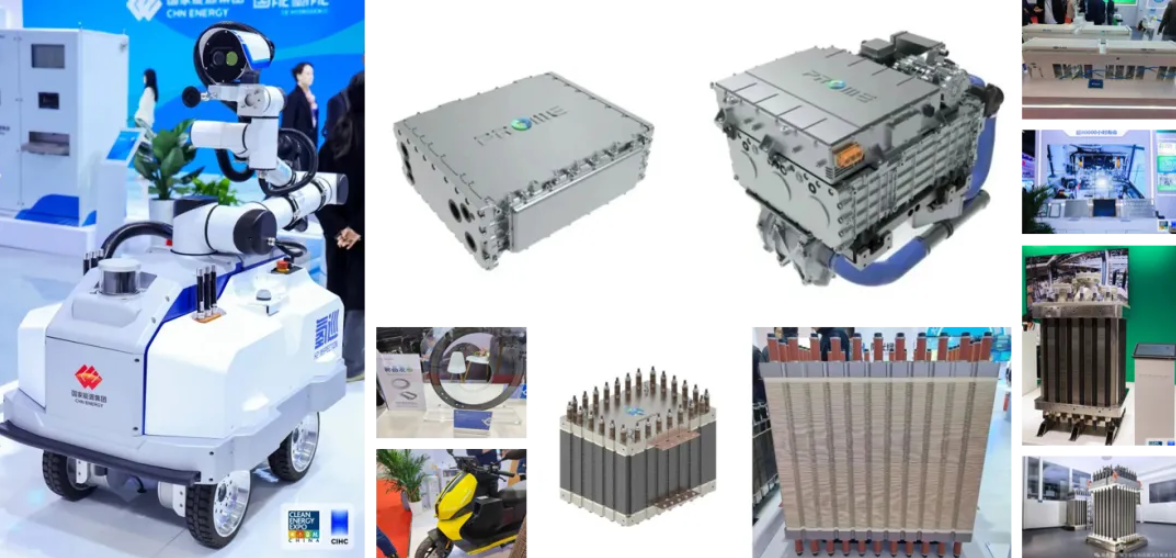
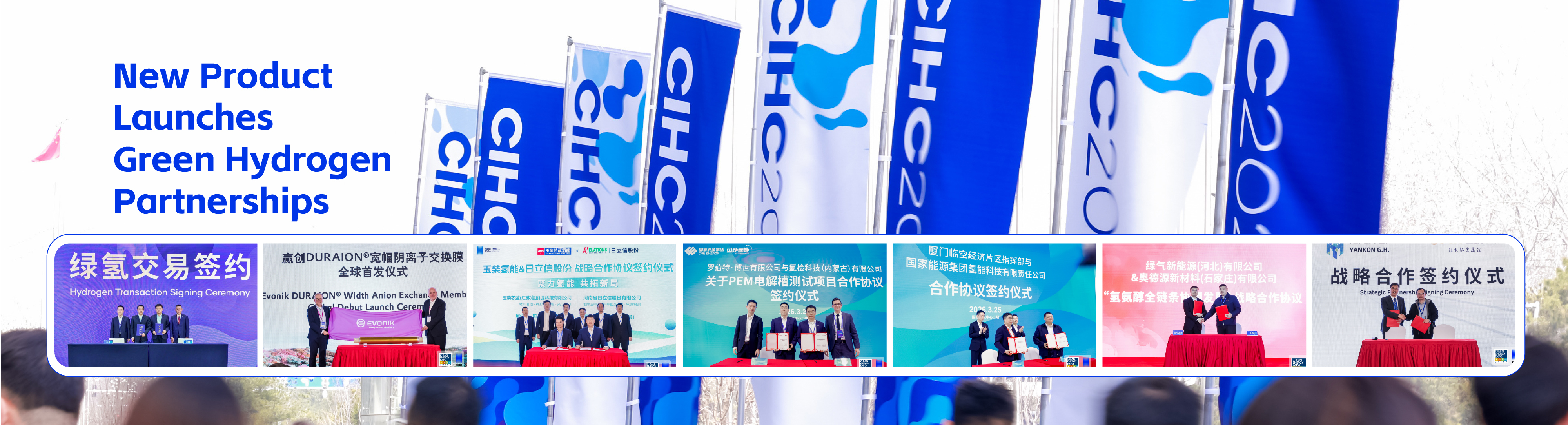
At CIHC 2026, more than 60 innovative technologies and core pieces of equipment made their debut on site, covering the entire hydrogen value chain—from production, storage, transportation, and distribution to end-use applications. The true value of innovation ultimately lies in commercialization and implementation: during the exhibition, more than 40 cooperation agreements were signed, spanning joint technology R&D, industrial chain collaboration, and other areas of strategic partnership.
In addition, a wide range of technologies—including high-pressure gaseous hydrogen storage, liquid hydrogen transportation and storage, and solid-state hydrogen storage—were showcased together. Diverse application scenarios, ranging from industrial operations to everyday life, brought hydrogen "black technologies" within reach. Multiple technological pathways are now developing in parallel, complementing and optimizing one another, providing strong support for China to secure a leading position in the global hydrogen industry, safeguard the stability and security of energy supply chains, and achieve high-quality sustainable development.
The collective presence of these downstream enterprises effectively connected the full hydrogen chain—from production all the way to practical application.
The integration of AI and hydrogen energy emerged as one of the biggest highlights of this year's exhibition. One of the world's major challenges in humanoid robotics lies in solving the "heart" problem—that is, power supply and endurance—and hydrogen fuel cells may offer a promising solution.
Hydrogen fuel cells possess an energy density two to three times higher than that of lithium batteries, while solid-state batteries also outperform conventional lithium batteries in energy density. The combination of these two technologies is widely regarded as a key breakthrough for enabling robots to handle both high-intensity physical tasks—such as climbing and jumping—and long-duration operations.
A robotic dog from Unitree Robotics attracted significant attention from visitors at the exhibition. The company has been testing a robotic dog equipped with a 300W hydrogen fuel cell system, aiming to solve endurance challenges during long-duration, high-intensity missions.
Meanwhile, AgiBot has also proposed an innovative approach to addressing the robotic "heart" problem and has made important progress: replacing traditional lithium batteries with a hybrid "hydrogen fuel cell + solid-state battery" solution.
Hydrogen energy enterprises are also actively embracing AI technologies. HGTECH has taken AI as a core technological breakthrough direction, deeply integrating AI-powered visual recognition and multi-sensor fusion perception technologies. As a result, the company has achieved fully automated 100% material picking and placement for diaphragm fabrics, effectively overcoming one of the key challenges in the automated feeding of flexible materials.
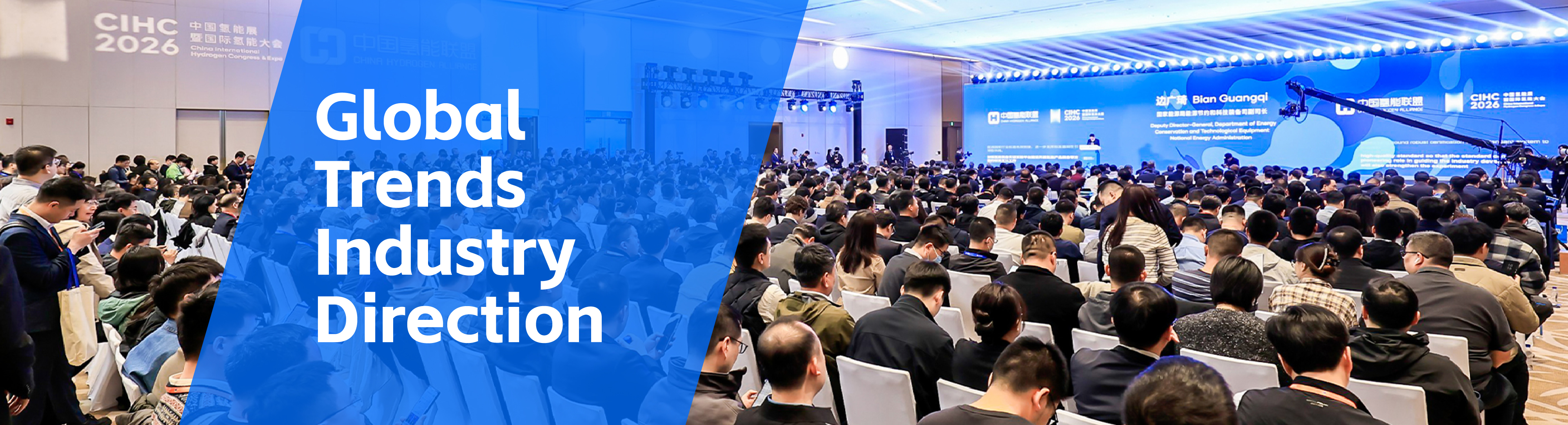
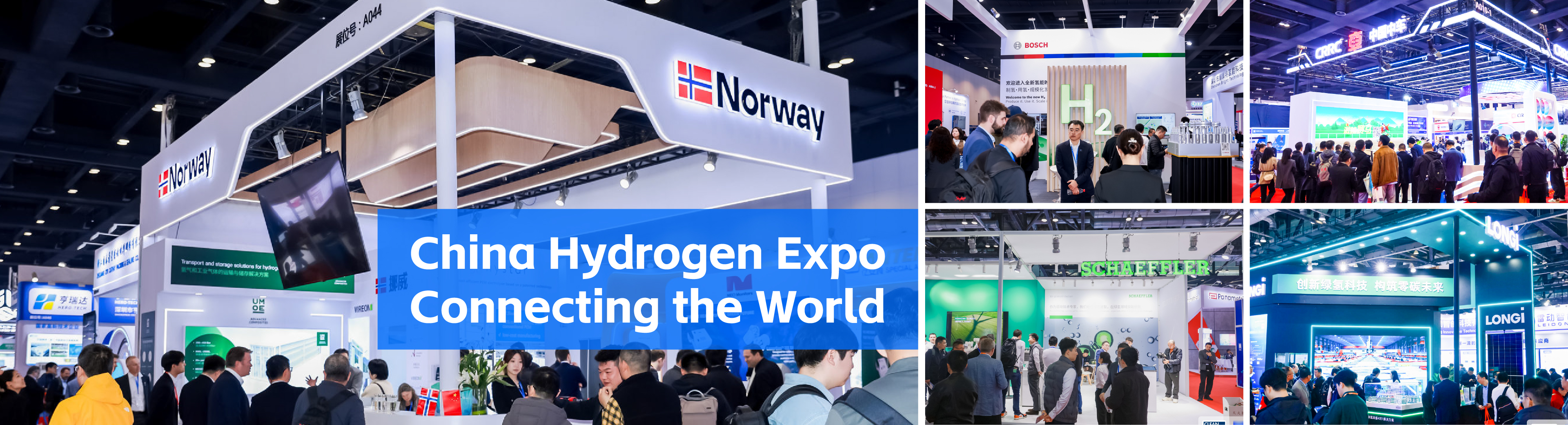
Experts, exhibitors, media representatives, and visitors attending this year's CIHC all shared one strong impression: the exhibition's level of internationalization far exceeded expectations.
CIHC is no longer merely a platform for domestic enterprises—it has evolved into a global hub for exchange and cooperation across the hydrogen industry.
Chinese hydrogen companies are no longer satisfied with simply exporting products. Instead, they are increasingly integrating, connecting, and redistributing global industrial and economic resources, positioning themselves as active participants in shaping the international hydrogen ecosystem.
The overseas professional visitors and potential buyers at this year's CIHC also received widespread acclaim for their high quality. The number of international buyers increased by 50% compared with the previous edition.
As a global launch platform for new hydrogen products, this year's exhibition featured a series of disruptive technologies. The "Hydrogen Innovation Showcase: New Product Launches, Technology Roadshows and Signing Forum" alone hosted three global first launches, five strategic cooperation agreements, and over ten in-depth technical presentations.
The concentrated debut of these new products not only demonstrated the technological innovation capabilities of Chinese enterprises, but also helped shape the future direction of the global hydrogen industry.
From simple media "exposure" to the strengthening of discourse power in setting the industry agenda, the brand image of the CIHC has increasingly functioned as a multiplier of hydrogen's position within China's energy structure.
Each major media report contributes to building a shared consensus among the general public, international observers, and capital markets about "China's hydrogen energy"—strengthening its recognition as a key pillar in the country's energy transition.
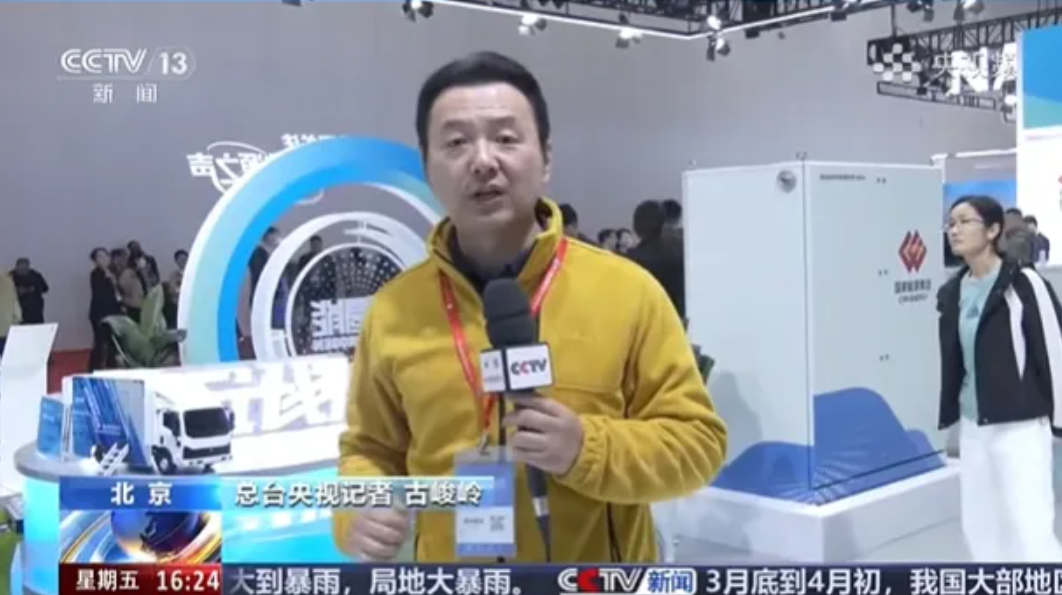
During the Expo, CCTV News Channel focused on CIHC, producing three consecutive key reports that comprehensively showcased China's achievements in hydrogen energy development and its application scenarios.
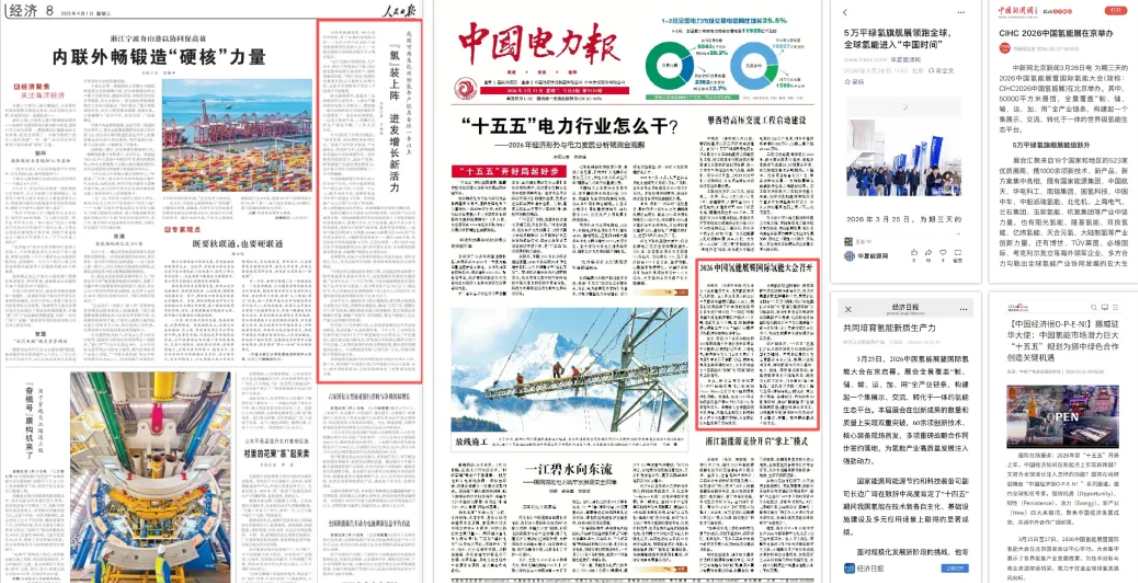
The coverage not only captured the scale of the exhibition and its cutting-edge technologies, but also provided in-depth interpretation of the underlying industrial policies and future development directions. In addition, more than 100 domestic and international media outlets—including People's Daily, Xinhua News Agency, China Media Group, People.cn, Xinhua Net, Science and Technology Daily, Agence France-Presse, and Norwegian national television—either attended the event or reported through official media platforms.
The focus of the media also reflects the focal points of industrial development. This is not only an affirmation of the current progress of the hydrogen industry, but also injects confidence into its future trajectory.
This is not merely an exhibition—it is a "thousand-mile rivers and mountains map" of the future energy landscape. Every detail, every conversation, and every innovation is woven into the unfolding blueprint of a new energy era. What continues to enrich this evolving picture will be all the practitioners, media partners, and international friends who reunite year after year. Because this is not an endpoint—it is the beginning of a new era.
CIHC is more than an exhibition; it is a "future energy version of the Thousand Li of Rivers and Mountains", where every detail, dialogue, and innovation merges into the broader vision of a new energy blueprint. The evolving narrative of this grand picture will be continuously shaped by industry participants, media partners, and international friends who return each year—because this is not the end, but the beginning of a new era.
CIHC bears witness to industrial progress and records historic transformation. In 2027, we will return not merely as participants or reunions, but as co-authors once again, adding new strokes to the global chapter of hydrogen development.
The CIHC 2027 has been officially scheduled for March 24–26, 2027, and booth reservations are now in full swing. We sincerely invite global partners to place a decisive mark in the coordinates of the hydrogen energy era.
Exhibitor/Conference Consultation
Contact: Ms. Becky CHEN
Tel: +86 15910580218
Email: becky@cntigerexpo.com
Exhibitor Consultation
Contact: Mr. Lito HU
Tel: +86 13601321637
Email: lito.hu@cntigerexpo.com
Exhibitor Consultation & Media Cooperation
Contact: Ms. Yasmin ZHENG
Tel: +86 13621183385
Email: zhengyaxin@cntigerexpo.com