Release time : 2026-09-15 Source :Organizing Committee
A new generation of pressurised alkaline electrolyser stacks developed in China has entered the European market through Swedish energy technology company Metacon.
Under its partnership with Chinese state-owned hydrogen technology company PERIC Hydrogen Technologies, Metacon will deploy the new-generation electrolyser stacks across its ongoing and planned commercial projects.
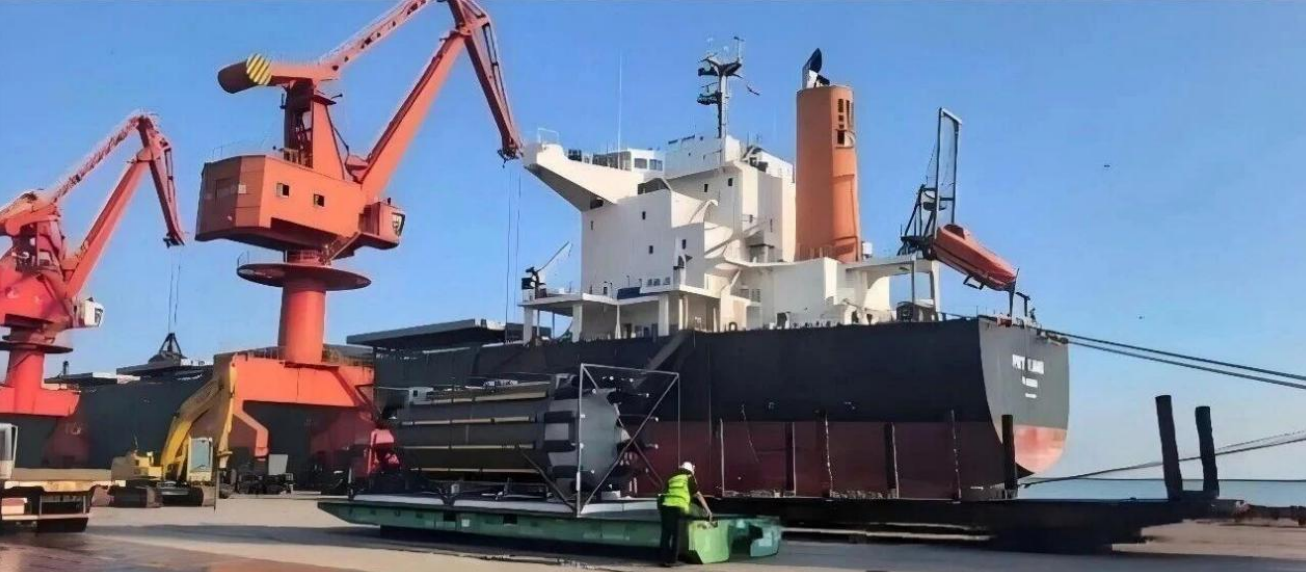
On September 6, PERIC shipped 10 EU-compliant electrolyser stacks from Lianyungang Port to Metacon’s facilities in Greece, representing a total electrolyser capacity of 50 MW.
According to Metacon, the next-generation stack delivers up to 17% higher operating current density and 13% lower cell-plate weight compared with its previous reference design. The new design is also expected to reduce stack-level costs and improve the competitiveness of large-scale hydrogen projects.
PERIC’s electrolyser systems have previously been integrated with Metacon’s balance-of-plant equipment to provide complete electrolysis solutions, including the 7.5 MW electrolyser project for Elekta Power in Romania.
The development comes as Chinese electrolyser manufacturers continue to expand their presence in international markets, raising concerns that Chinese suppliers could compete with Western technology at lower prices due to lower labour and raw-material costs.
Germany-based Enapter and Norway-based HydrogenPro have also recently outsourced electrolyser stack manufacturing to China, although questions remain over the potential impact of the strategy on their respective valuations.
A report published by the World Bank’s Energy Sector Management Assistance Program (ESMAP) in February estimated that China accounts for 86% of global alkaline electrolyser manufacturing capacity.
Dr. Eric Rüland, Vice-President of Sales & Product at Sino-German joint venture RCT Hydrogen, recently told H2 View that he believes German-built electrolysers can be “absolutely capable” of meeting “Made in Europe” criteria while continuing to source components from China.
Exhibitor/Conference Consultation
Contact: Ms. Becky CHEN
Tel: +86 15910580218
Email: becky@cntigerexpo.com
Exhibitor Consultation
Contact: Mr. Lito HU
Tel: +86 13601321637
Email: lito.hu@cntigerexpo.com
Exhibitor Consultation & Media Cooperation
Contact: Ms. Yasmin ZHENG
Tel: +86 13621183385
Email: zhengyaxin@cntigerexpo.com