Release time : 2026-06-29 Source :FuelcellChina; CCTV News
China has released its first national technical and standards framework for hydrogen pipeline engineering, marking a major step toward the large-scale development of long-distance hydrogen transportation infrastructure.
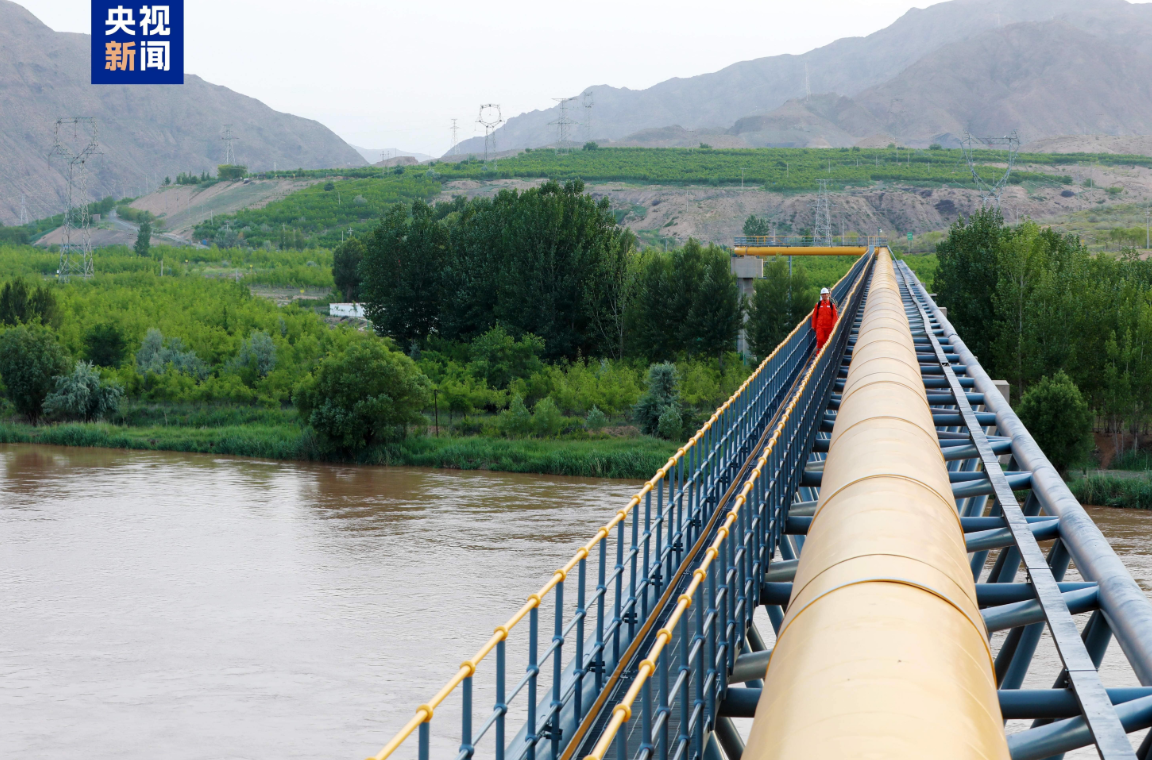
The newly issued framework fills a long-standing gap in China's hydrogen pipeline sector by providing unified technical guidance covering the entire engineering process, from pipeline materials and design to construction, operation and maintenance. It also establishes standardized requirements for hydrogen injection, pipeline transportation and end-user delivery, creating the country's first comprehensive engineering solution for hydrogen pipeline transport.
Zhang Laibin, an academician of the Chinese Academy of Engineering, said the framework addresses key engineering needs across the hydrogen pipeline industry, including the construction of new hydrogen pipelines, the assessment and retrofitting of existing natural gas pipelines for hydrogen blending, hydrogen injection and delivery, as well as pipeline operation, maintenance, safety and integrity management.
According to Zhang, the framework also introduces China's first technical roadmap for hydrogen pipeline engineering, providing guidance for both newly built hydrogen pipelines and the conversion or hydrogen-blending operation of existing natural gas pipelines.
Released alongside the technical framework is China's first full-chain standards system for hydrogen pipeline engineering. Covering pipeline materials, design, construction, safety, operation and maintenance, the standards are intended to support pilot projects, engineering demonstrations and the large-scale deployment of hydrogen pipeline infrastructure.
Chen Pengchao, deputy dean of the Research Institute of PipeChina, said the company has made a series of technological breakthroughs in hydrogen pipeline transportation in recent years.
Among the achievements, PipeChina has addressed hydrogen embrittlement challenges in high-pressure hydrogen transmission and developed China's first X60-grade steel pipe designed for hydrogen transportation at pressures of 10 megapascals (MPa). The company has also built the country's most advanced 10-MPa hydrogen blending test platform, helping define safe operating limits for blending hydrogen into existing natural gas pipelines. In addition, it has independently developed core technologies and equipment, including hydrogen leak detection systems.
According to the company, these technologies have completed validation through multiple testing programs and are expected to support the future construction of China's long-distance hydrogen trunk pipelines, as well as hydrogen-blending upgrades to existing natural gas networks, contributing to the development of a safe and efficient national hydrogen transportation system.
China steps up development of the hydrogen value chain
China's newly released 15th Five-Year Plan for New Energy System Development identifies hydrogen as a strategic component of the country's future energy system and calls for coordinated development across the entire hydrogen value chain, covering production, storage, transportation and utilization.
Under the plan, China aims to produce 2 million tonnes of renewable hydrogen annually by 2030, reflecting the country's growing commitment to expanding the role of hydrogen in its clean energy transition.
In recent years, China has accelerated the development of its hydrogen industry, achieving steady progress in key technologies across the entire value chain. Breakthroughs have been made in areas including green hydrogen production, fuel cells, and hydrogen storage and transportation equipment. At the same time, hydrogen demonstration projects and industrial clusters have been launched in multiple regions, while companies in the energy, pipeline and manufacturing sectors have strengthened collaboration to promote the commercialization of hydrogen technologies.
Yi Yuechun, general manager of the China Renewable Energy Engineering Institute, said China will continue to strengthen the competitiveness of its renewable energy industries while promoting higher-quality development of energy storage and hydrogen manufacturing.
He said the country will expand the production of renewable hydrogen, accelerate the development of hydrogen and other green fuels, and improve infrastructure for hydrogen storage, transportation and refueling. Efforts will also be made to promote wider hydrogen applications in industrial decarbonization, transportation and long-duration energy storage, providing stronger support for the development of the country's new energy system.
Industry observers said the newly released technical framework and standards, together with the government's long-term policy roadmap, are expected to provide a stronger foundation for the commercialization of hydrogen pipeline infrastructure and the broader development of China's hydrogen economy.
As technologies continue to mature and engineering standards become more unified, China's hydrogen industry is expected to enter a new phase of large-scale and standardized development, supporting the country's broader transition toward a cleaner and more resilient energy system.
Exhibitor/Conference Consultation
Contact: Ms. Becky CHEN
Tel: +86 15910580218
Email: becky@cntigerexpo.com
Exhibitor Consultation
Contact: Mr. Lito HU
Tel: +86 13601321637
Email: lito.hu@cntigerexpo.com
Exhibitor Consultation & Media Cooperation
Contact: Ms. Yasmin ZHENG
Tel: +86 13621183385
Email: zhengyaxin@cntigerexpo.com