Release time : 2026-09-28 Source :Organizing Committee
XINING, China — Qinghai Province is accelerating the integration of transport and energy as it explores zero-carbon highway service areas in high-altitude regions.
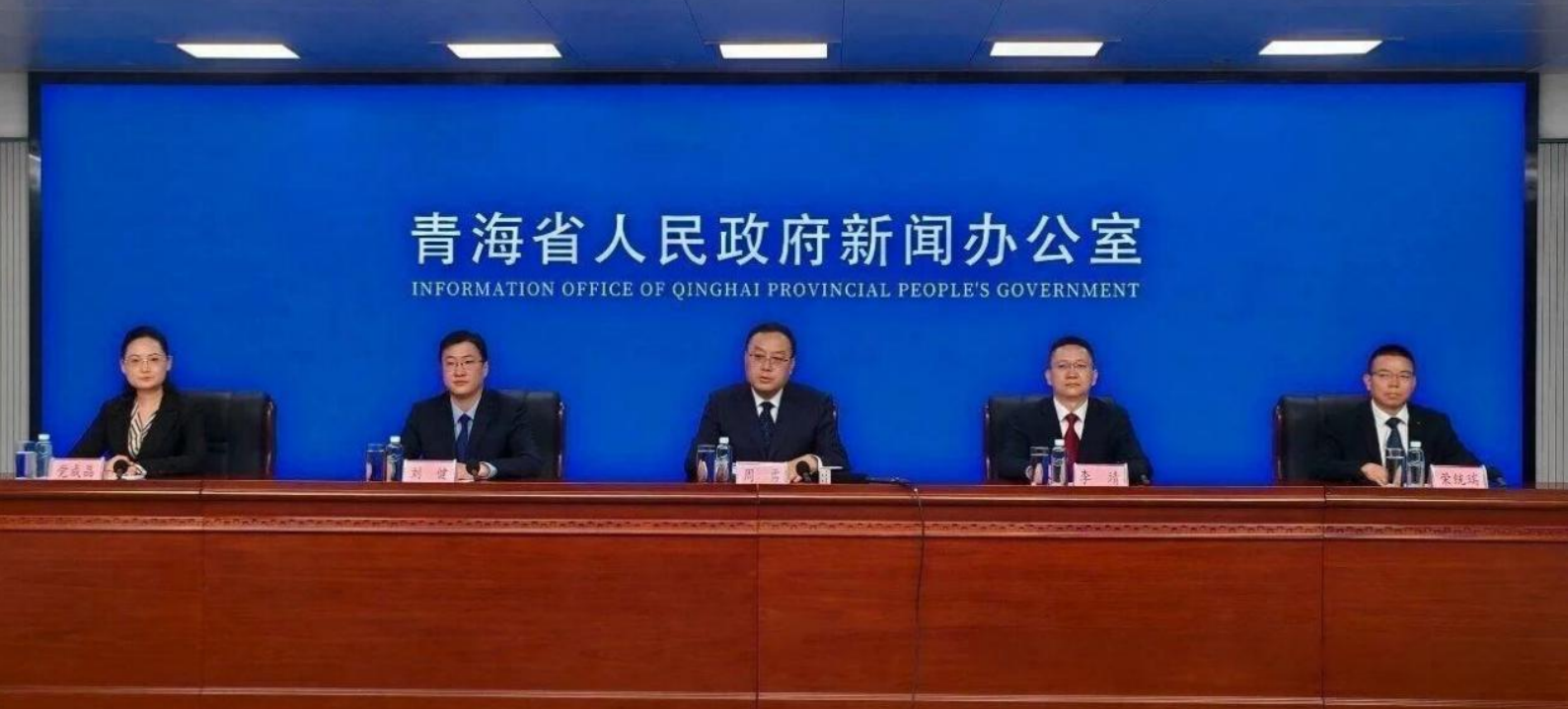
At a special press conference held by the Information Office of the Qinghai Provincial People’s Government on September 24, the Qinghai Provincial Department of Transport said the province had taken the lead in exploring zero-carbon highway service areas at high altitudes. Zero-carbon service areas, including Bazha and Gonghe, generate a combined 3.36 million kWh of electricity annually and reduce carbon dioxide emissions by 2,311 tonnes per year.
Leveraging its abundant photovoltaic resources, Qinghai has made progress in developing zero-carbon transport infrastructure and established an integrated clean-energy microgrid model combining solar power, energy storage, heating and lighting.
The province is also accelerating the deployment of charging infrastructure. By the end of this year, charging facilities are expected to cover all expressway service areas across Qinghai, helping address the charging needs of new-energy vehicle owners travelling across the high-altitude plateau.
Qinghai is also advancing the development of a green transport system. The province plans to build 30 battery-swapping stations for heavy-duty trucks, with total investment of approximately 360 million yuan. It is also moving forward with the development of green energy replenishment corridors for heavy-duty trucks along National Highway G109, National Highway G315 and the Liugol-Golmud Expressway (G3011).
Meanwhile, large-scale equipment upgrades are being implemented across the transport sector. Clean-energy buses account for more than 99% of the province’s bus fleet, while clean-energy taxis account for more than 83%.
Qinghai is also promoting resource recycling in road construction. The recycling rate of waste pavement materials has reached 98% on expressways and 95% on national and provincial highways.
The province is also exploring the recycling of industrial solid waste. A pilot project on the Re-Jiangcang section of National Highway G338 uses stabilised and modified steelmaking slag as a substitute for natural sand and aggregate in road construction, helping to utilise industrial waste while reducing quarrying activities and supporting the province’s green transition.
Exhibitor/Conference Consultation
Contact: Ms. Becky CHEN
Tel: +86 15910580218
Email: becky@cntigerexpo.com
Exhibitor Consultation
Contact: Mr. Lito HU
Tel: +86 13601321637
Email: lito.hu@cntigerexpo.com
Exhibitor Consultation & Media Cooperation
Contact: Ms. Yasmin ZHENG
Tel: +86 13621183385
Email: zhengyaxin@cntigerexpo.com